
Professional Development for Fine Arts Educators
Practical Support for Motivation, Performance Pressure & Program Health
Interactive professional development helping educators better understand student behavior, respond to performance pressure, strengthen motivation, and support sustainable teaching and learning.
Schools, Districts & Universities · In-person & Virtual · Customized Programs
Professional Development Grounded in the Realities of Fine Arts Education
Fine arts educators work in environments where learning, creativity, evaluation, public performance, deadlines, identity, and community frequently overlap. These demands can influence student motivation, preparation, participation, confidence, and follow-through, as well as educator energy and program culture.
Professional development sessions help educators look beneath surface behavior, consider what may be affecting performance and engagement, and identify practical ways to support forward movement while maintaining clear expectations.
Sessions combine relevant research, reflection, discussion, and application. Content is adapted to the audience and designed to translate across music, theater, dance, visual art, and other fine arts settings.
Focus Areas
-
Student Motivation & Engagement
Explore what may be influencing changes in participation, preparation, ownership, and follow-through. Identify approaches that reconnect students with relevance, confidence, accountability, and action.
-
Performance Pressure & Anxiety
Recognize how performance pressure can appear across fine arts settings, including nervousness, avoidance, perfectionism, withdrawal, and inconsistent preparation. Develop practical strategies that support focus, recovery, and performance readiness.
-
Educator Sustainability & Program Health
Consider how the demands of the school year affect educator capacity, student energy, and program culture. Identify pressure points, recovery needs, and practices that support sustainable teaching and healthy programs.
-
Communication, Feedback & Healthy High Standards
Examine how expectations, feedback, mistakes, comparison, and educator language influence confidence and participation. Explore ways to maintain accountability while building supportive learning environments.
Flexible Formats for Your Program
Professional development can be adapted to your audience, available time, and learning goals.
Focused Workshops
40–90-minute sessions designed for conferences, campus professional development, department meetings, or repeated small-group delivery.
Extended Professional Development
Two-hour, half-day, or full-day sessions offering more time for discussion, guided activities, practical application, and planning.
Multi-Session Series
Connected sessions delivered across a semester or school year, allowing participants to apply concepts, reflect on outcomes, and build on earlier learning.
Available for: K–12 schools and districts, universities, fine arts departments, discipline-specific teams, cross-disciplinary groups, and fine arts administrators.
Delivery: In-person or virtual · Individual sessions or customized series
What Participants Can Expect
Sessions are practical, interactive, and designed to connect directly with participants’ teaching environments. Depending on the topic and format, professional development may include individual reflection, small-group discussion, case examples, guided activities, and program planning.
Participants may leave with:
A broader understanding of what may influence student motivation and performance
Greater awareness of how stress and performance anxiety appear across fine arts settings
Practical language for supporting confidence, accountability, and forward movement
Strategies for preparation, focus, mistakes, recovery, and demanding performance periods
Tools for reflecting on student needs, educator influence, and program culture
Action steps that can be applied within their own classroom, studio, or department
Experience Across Education, Performance & Mental Health
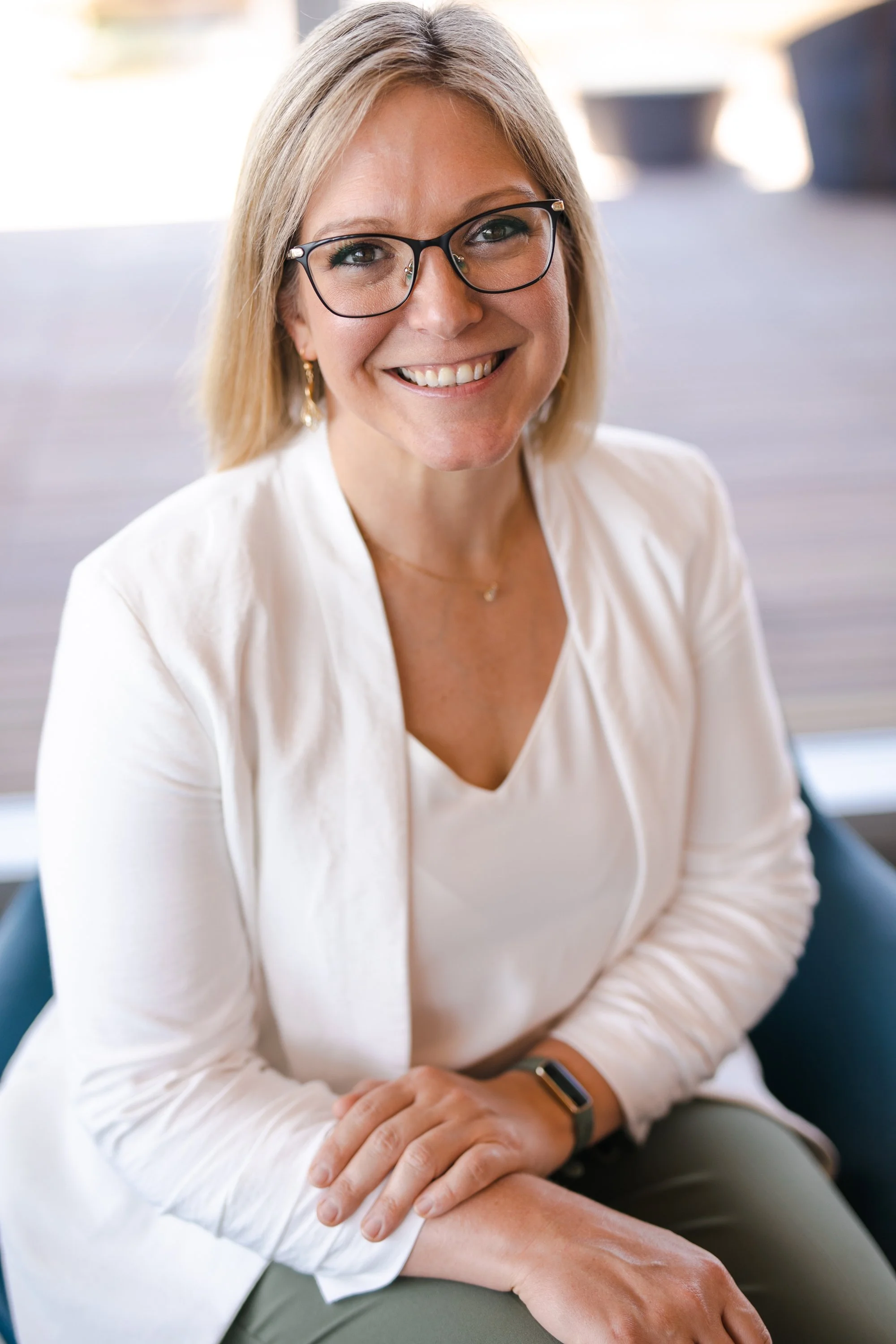
Kristin Behlmann, MM, MA, LPC, is a former middle school orchestra director, longtime cello teacher, active orchestral musician, licensed professional counselor, and performance coach.
Her work draws on more than 20 years of experience in music and education, along with training in counseling and sport and performance psychology. This combination allows her to understand the demands of teaching, performing, and leading a fine arts program from inside the profession.
Kristin facilitates practical, engaging professional development that respects educator expertise while creating space for reflection, discussion, and immediately applicable strategies.
Planning a Professional Development Session
1. Start a Professional Development Inquiry
Share what you know about your audience, goals, preferred dates, available time, and whether you are considering an in-person or virtual session.
2. Discuss Your Needs
We’ll schedule a consultation to discuss your fine arts program, current priorities, participant needs, and the outcomes you hope to support.
3. Review a Custom Proposal
You’ll receive a proposed session format, scope, learning objectives, schedule, and quote based on what we discussed.
4. Prepare & Facilitate
Content is customized for the audience and delivered in collaboration with your organization. Feedback and follow-up options can be incorporated when appropriate.
Bring Practical, Relevant Professional Development to Your Fine Arts Team
Tell me about your educators, current priorities, available time, and what you hope participants will take away. You do not need to have the topic or format fully determined before we meet. We can identify the most appropriate starting point together.
Looking for workshops, residencies, or coaching programs for students and ensembles?
Explore Programs for Music Schools, Studios, & Universities.